
 CN
 sales@hisciences.com


When selecting a harmonic joint module, engineers should consider several key factors, including rated torque, peak torque, output speed, reduction ratio, positioning accuracy, installation dimensions, and weight. Electrical compatibility and communication interfaces, such as CAN FD or EtherCAT, should also be evaluated according to the robot's control architecture.
The application and installation position are equally important. Hip and knee joints may require higher torque capacity, while wrist and elbow joints often have stricter requirements for compact dimensions and precise motion control. The final selection should be based on actual load conditions, motion profiles, and available installation space. Always refer to the technical datasheet for model-specific specifications.
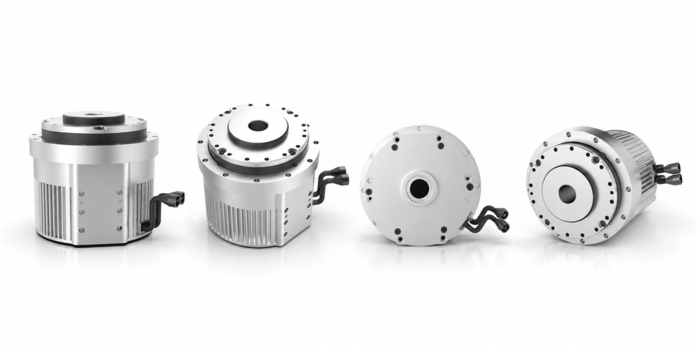
Related Product: HISCIENCE Joint Modules
 Back to list